
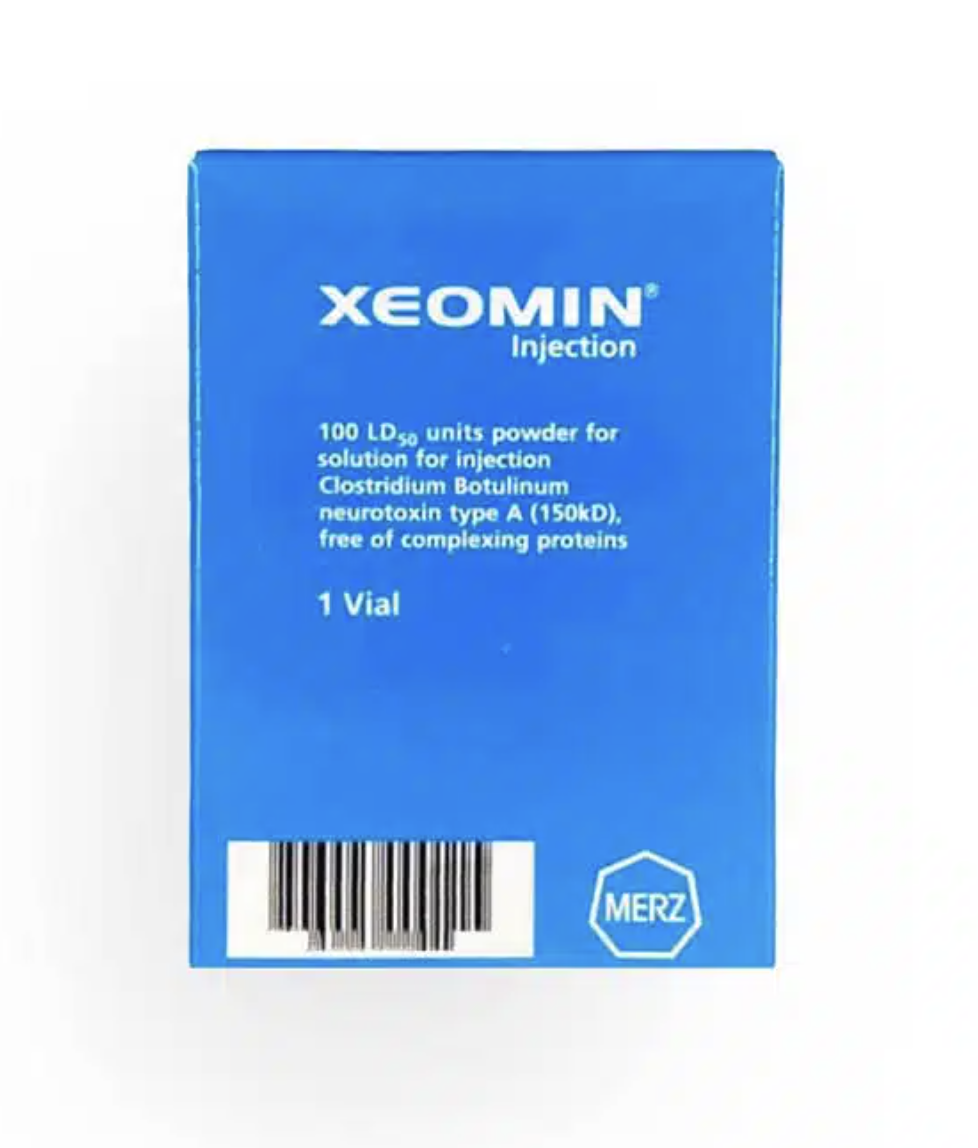
XEOMIN® is a purified botulinum toxin injection, and you can purchase XEOMIN® online from DoctorMedica.co or by phone. Order wholesale XEOMIN® from Doctor Medica to reduce the look of glabellar lines or other wrinkles, or to treat muscle disorders like cervical dystonia, with less chance of the injections becoming less effective with repeated use.
XEOMIN® (incobotulinumtoxinA) is a botulinum toxin type A product used for the treatment of various neuromuscular conditions and cosmetic concerns. It is specifically indicated for:
Upper Limb Spasticity: Reducing muscle tightness in adult patients suffering from conditions like stroke or neurological injuries.
Cervical Dystonia: Treatment of adults with abnormal neck positioning and pain associated with cervical dystonia.
Blepharospasm: For adults previously treated with onabotulinumtoxinA (Botox®) who experience uncontrollable blinking or spasm of the eyelids.
Glabellar Lines: Temporary improvement in the appearance of moderate to severe glabellar lines (frown lines) between the eyebrows.
XEOMIN® works by inhibiting the release of acetylcholine at the neuromuscular junction, which reduces muscle activity.
CONTRAINDICATIONS
Known hypersensitivity to any botulinum toxin product or to any of the components (human albumin, sucrose) in the formulation.
Infection at the proposed injection site(s) because it could lead to severe local or disseminated infection.
WARNINGS AND PRECAUTIONS
The potency units of XEOMIN are specific to the preparation and assay method utilized. Units of biological activity of Xeomin cannot be compared to or converted into Units of any other botulinum toxin products assessed with any other specific assay method.
Serious hypersensitivity reactions (anaphylaxis, serum sickness, urticaria, soft tissue edema, and dyspnea) have been reported with botulinum toxin products. If serious and/or immediate hypersensitivity reactions occur, discontinue further injection of XEOMIN and institute appropriate medical therapy immediately.
Treatment with XEOMIN and other botulinum toxin products can result in swallowing or breathing difficulties. Patients with pre-existing swallowing or breathing difficulties may be more susceptible to these complications. When distant effects occur, additional respiratory muscles may be involved. Patients may require immediate medical attention should they develop problems with swallowing, speech, or respiratory disorders. Dysphagia may persist for several months, which may require use of a feeding tube. Aspiration may result from severe dysphagia.
Individuals with peripheral motor neuropathic diseases, amyotrophic lateral sclerosis, or neuromuscular junctional disorders (e.g., myasthenia gravis or Lambert-Eaton syndrome) may be at increased risk for severe dysphagia and respiratory compromise from typical doses of XEOMIN.
Cervical Dystonia: Treatment with botulinum toxins may weaken neck muscles that serve as accessory muscles of ventilation. This may result in critical loss of breathing capacity in patients with respiratory disorders who may have become dependent upon these accessory muscles. There have been post- marketing reports of serious breathing difficulties, including respiratory failure, in patients with cervical dystonia treated with botulinum toxin products. Patients with smaller neck muscle mass and patients who require bilateral injections into the sternocleidomastoid muscles are at greater risk of dysphagia. Limiting the dose injected into the sternocleidomastoid muscle may decrease the occurrence of dysphagia.
Blepharospasm: Reduced blinking from injection of botulinum toxin products into the orbicularis muscle can lead to corneal exposure, persistent epithelial defect, and corneal ulceration, especially in patients with VII nerve disorders. Patients with previous eye surgery should be carefully assessed for corneal sensation before treatment. Xeomin should be used with caution in patients at risk of developing narrow angle glaucoma. To decrease the risk for ectropion, XEOMIN should not be injected into the medial lower eyelid area.
XEOMIN contains human serum albumin. Based on effective donor screening and product manufacturing processes, it carries an extremely remote risk for transmission of viral diseases and variant Creutzfeldt-Jakob disease (vCJD). There is a theoretical risk for transmission of Creutzfeldt-Jakob disease (CJD). No cases of transmission of viral diseases, CJD, or vCJD have ever been reported for licensed albumin or albumin contained in other licensed products.
Use caution when XEOMIN is used where the targeted muscle shows excessive weakness or atrophy.
Use caution when XEOMIN is used in patients who have marked facial asymmetry, with surgical alterations to the facial anatomy, pre-existing eyelid or eyebrow ptosis, when excessive weakness or atrophy is present in the target muscles, excessive dermatochalasis, deep dermal scarring, thick sebaceous skin (e.g., the inability to substantially lessen glabellar lines even by physically spreading them apart).
ADVERSE REACTIONS
The most commonly observed adverse reactions at rates specified below and greater than placebo are:
Chronic Sialorrhea:
in adults (≥4% of patients): tooth extraction, dry mouth, diarrhea, and hypertension.
in pediatric patients (≥1% of patients): bronchitis, headache, and nausea/vomiting.
Upper Limb Spasticity
in adults (≥2% of patients): seizure, nasopharyngitis, dry mouth, and upper respiratory tract infection.
in pediatric patients (≥3% of patients): nasopharyngitis and bronchitis.
Cervical Dystonia in adults (≥5% of patients): dysphagia, neck pain, muscle weakness, injection site pain, and musculoskeletal pain.
Blepharospasm in adults (≥10% of patients): eyelid ptosis, dry eye, visual impairment, and dry mouth
Reviews
There are no reviews yet.