
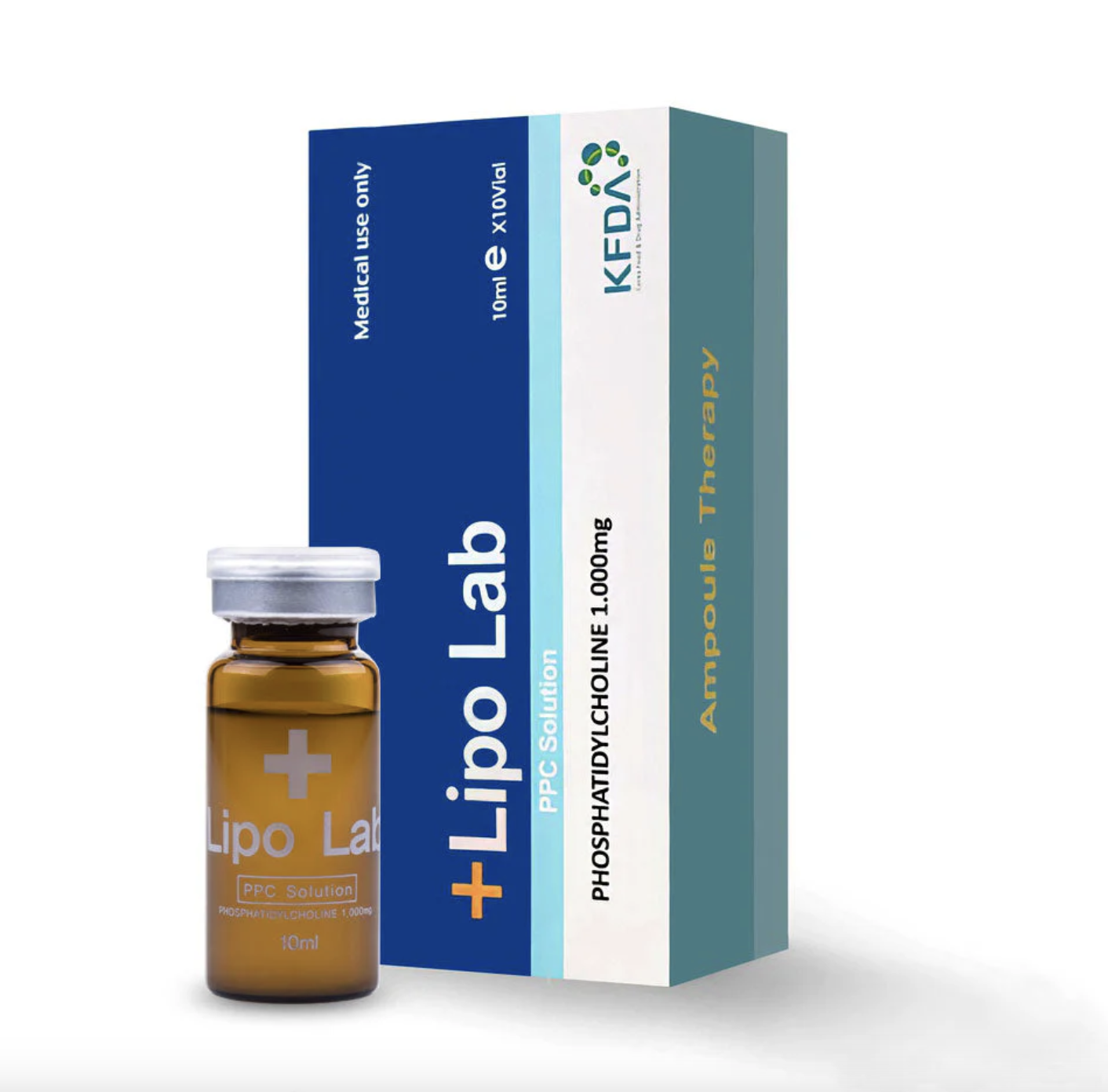
Uses & Effectiveness
Possibly Effective for:
A type of inflammatory bowel disease (ulcerative colitis). Taking phosphatidylcholine by mouth might improve symptoms in people with ulcerative colitis.
There is interest in using phosphatidylcholine for a number of other purposes, but there isn’t enough reliable information to say whether it might be helpful.
Side Effects
When taken by mouth: Phosphatidylcholine is possibly safe when used in doses up to 30 grams daily for 6 weeks, or up to 6 grams daily for up to 2 years. It’s generally well-tolerated. Side effects might include altered taste, bloating, diarrhea, itching, nausea, and sweating.
When applied to the skin: Phosphatidylcholine is possibly safe when used in products also containing niacinamide for up to 12 weeks.
Special Precautions and Warnings
When taken by mouth: Phosphatidylcholine is possibly safe when used in doses up to 30 grams daily for 6 weeks, or up to 6 grams daily for up to 2 years. It’s generally well-tolerated. Side effects might include altered taste, bloating, diarrhea, itching, nausea, and sweating.
When applied to the skin: Phosphatidylcholine is possibly safe when used in products also containing niacinamide for up to 12 weeks.
Pregnancy: Phosphatidylcholine is possibly safe when taken by mouth starting at 18 weeks of pregnancy at doses up to 5 grams daily.
Breast-feeding: There isn’t enough reliable information to know if phosphatidylcholine is safe to use when breast-feeding. Stay on the safe side and avoid use.
Dosing
Phosphatidylcholine has most often been used by adults in doses of 1.05-6 grams by mouth daily for up to 24 weeks. Speak with a healthcare provider to find out what dose might be best for a specific condition.



Reviews
There are no reviews yet.